Plant-Based
Botanical Extracts
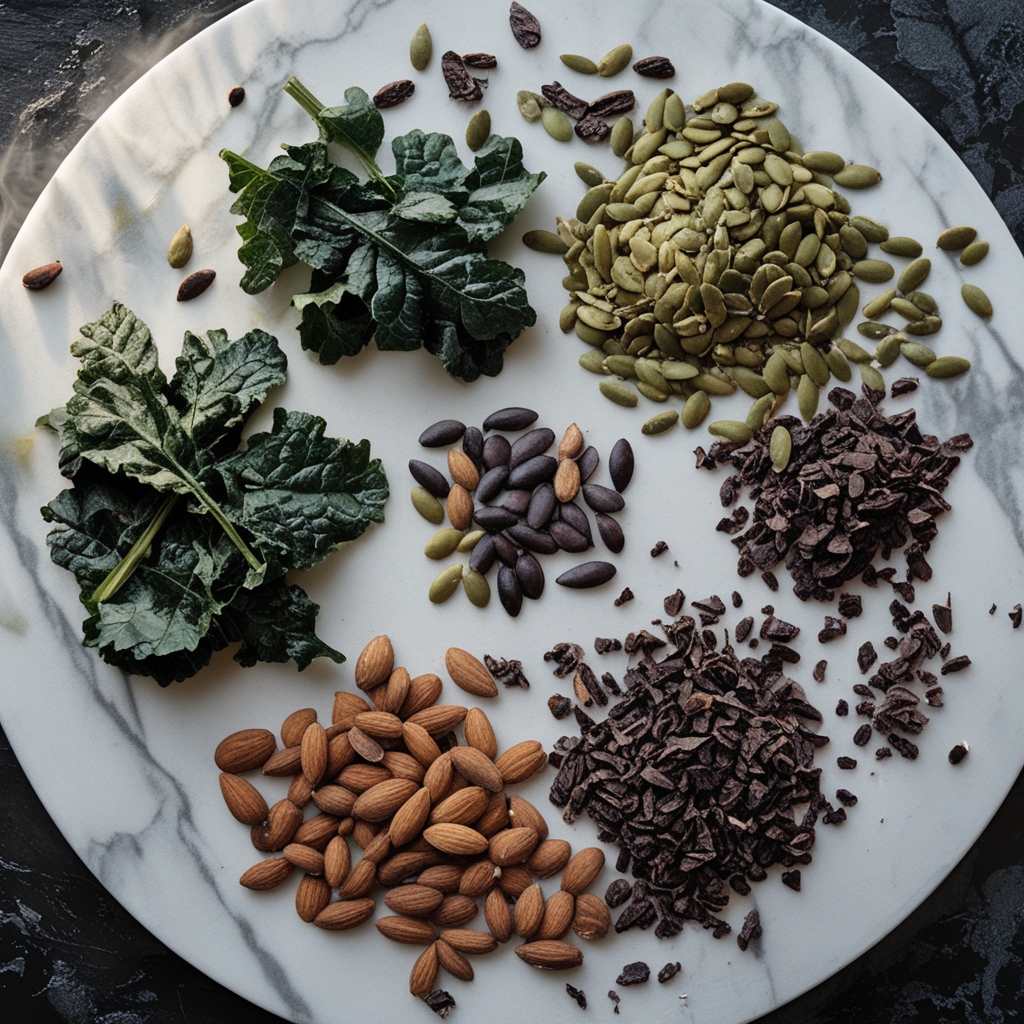
Botanical extracts are concentrated preparations derived from plant material — roots, leaves, seeds, bark, or flowers — through processes such as maceration, percolation, or solvent extraction. The resulting extract contains phytochemicals, which are naturally occurring compounds produced by plants. Common categories include flavonoids, terpenes, alkaloids, and polyphenols. In the context of dietary supplements, botanical ingredients are typically standardised to a percentage of a known marker compound to ensure consistency of composition.
Examples of botanicals frequently encountered in supplement formulations include green tea extract (Camellia sinensis), ginger root (Zingiber officinale), and turmeric (Curcuma longa). Their inclusion in food supplements is governed by regulatory frameworks that distinguish between their food and pharmaceutical applications, with specific compositional and labelling requirements applying in the UK market.
Protein Building Blocks
Amino Acids
Amino acids are organic compounds that serve as the structural components of proteins and as precursors to various biologically active molecules. Of the twenty standard amino acids involved in human protein synthesis, nine are classified as essential, meaning they cannot be synthesised by the body in adequate quantities and must be obtained through dietary intake. These include leucine, isoleucine, valine, lysine, methionine, phenylalanine, threonine, tryptophan, and histidine.
Branched-chain amino acids (BCAAs) — leucine, isoleucine, and valine — are of particular research interest given their structural roles in muscle protein and their metabolism directly within muscle tissue. Amino acid supplements are frequently encountered in sports nutrition contexts, where they are studied for their contribution to dietary protein intake.
Biological Catalysts
Enzymes
Enzymes are biological catalysts — typically proteins — that facilitate and accelerate biochemical reactions within living systems. In the context of dietary supplements, digestive enzymes are among the most commonly referenced, with products frequently containing amylase (acting on carbohydrates), lipase (acting on fats), and protease (acting on proteins).
Digestive enzymes are naturally produced by various organs of the human digestive system, including the pancreas and small intestinal lining. Supplemental enzyme preparations are often sourced from microbial or plant origins. The enzyme bromelain, derived from pineapple, and papain, from papaya, are examples of plant-sourced proteolytic enzymes that appear in supplement formulations.
Microorganisms
Probiotics
Probiotics are defined by the World Health Organisation as "live microorganisms that, when administered in adequate amounts, confer a health benefit on the host." They are typically bacterial strains, predominantly from the Lactobacillus and Bifidobacterium genera, though certain yeasts — notably Saccharomyces boulardii — are also classified as probiotic organisms.
In the European Union and United Kingdom, authorised health claims for probiotic organisms remain restricted under food law, reflecting the ongoing scientific evaluation of evidence for specific strains and claimed effects. The regulatory distinction between probiotics as food supplements and as pharmaceutical agents is an important contextual consideration when reviewing product information.
Botanical Category
Adaptogens
The term "adaptogen" was first used in pharmacological literature in the mid-twentieth century to describe substances considered to support the body's resistance to physical and chemical stressors in a non-specific manner. The concept has roots in traditional medicine systems, particularly those of East Asia and the Ayurvedic tradition of the Indian subcontinent.
Plant species frequently discussed within this category include Withania somnifera (Ashwagandha), Eleutherococcus senticosus (Siberian ginseng), Rhodiola rosea (roseroot), and Panax ginseng. It is important to note that the term "adaptogen" does not carry a formally defined regulatory status within the UK food supplement framework. Products making claims relating to stress or the body's adaptive response must comply with applicable food law and authorised health claim regulations.